Mastering Data Complexity:
The use of smart technologies creates a large amount of diversified data for utility companies to sift through. The data is also now coming from more sources and causing non-traditional patterns of usage territory wide. In order to get actionable insights for grid enhancement and personalized customer experiences, utilities must develop robust data management systems capable of processing and leveraging all this information.
Opportunities
Embracing Renewable Energy Solutions:
There lies a golden opportunity for utility companies to achieve their renewable energy supply goals and reach their carbonreduction and net-zero emissions targets by collaborating with prosumers. When utilitycompanies embrace renewable energy integration, they reduce their dependency on fossil fuels and foster a sustainable energy ecosystem.

Promoting Energy-conscious Practices:
The heightened awareness prompts individuals to prioritize energy efficiency. Utilities can capitalize on this trend by offering innovative energy management tools, tailored solutions for smart homes, and personalized guidance,empowering prosumers to sync their usage to the generation. For example, charging their car or cooling their home when the sun is shining, and the wind is blowing.
Creating Two-Way Customer Communication: It provides a new era of direct engagement between utility companies and their customers. There is real-time data being shared with the utility and the prosumer offering a transparent view of energy management to both sides. When utilities offer ways for prosumers to see their real-time energy, in combination with tailored energy plans, and incentives for conservation, utilities can build stronger bonds with their customer base, driving satisfaction and loyalty.
Powerley’s Technology for Utility Companies and Prosumers
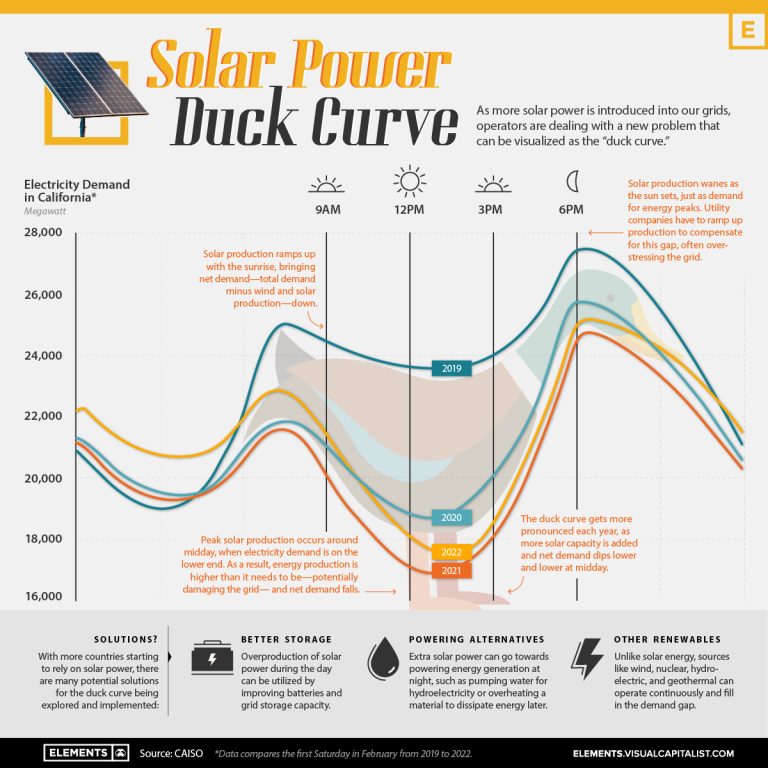
We’re at the forefront of this revolution, empowering utility companies and prosumers with innovative energy management solutions. Our cutting-edge technologies enable seamless integration of renewable energy systems, optimize energy consumption, and provide real-time insights into energy usage patterns (as seen in the image on the right).
With Powerley, utility companies can leverage smart meter data and AI to predict, manage, and inform prosumers about their energy usage. While prosumers can maximize the efficiency of their energy production and consumption, unlocking new levels of sustainability and savings.
Visit powerley.com for more information.
Sources:
1https://www.energy.gov/eere/articles/confronting-duck-curve-how-address-over-generation-solar-energy
2https://elements.visualcapitalist.com/the-solar-power-duck-curve-explained/
3https://www.seia.org/initiatives/net-metering
